
Why Your Yard Should Look Beautiful in a Downpour
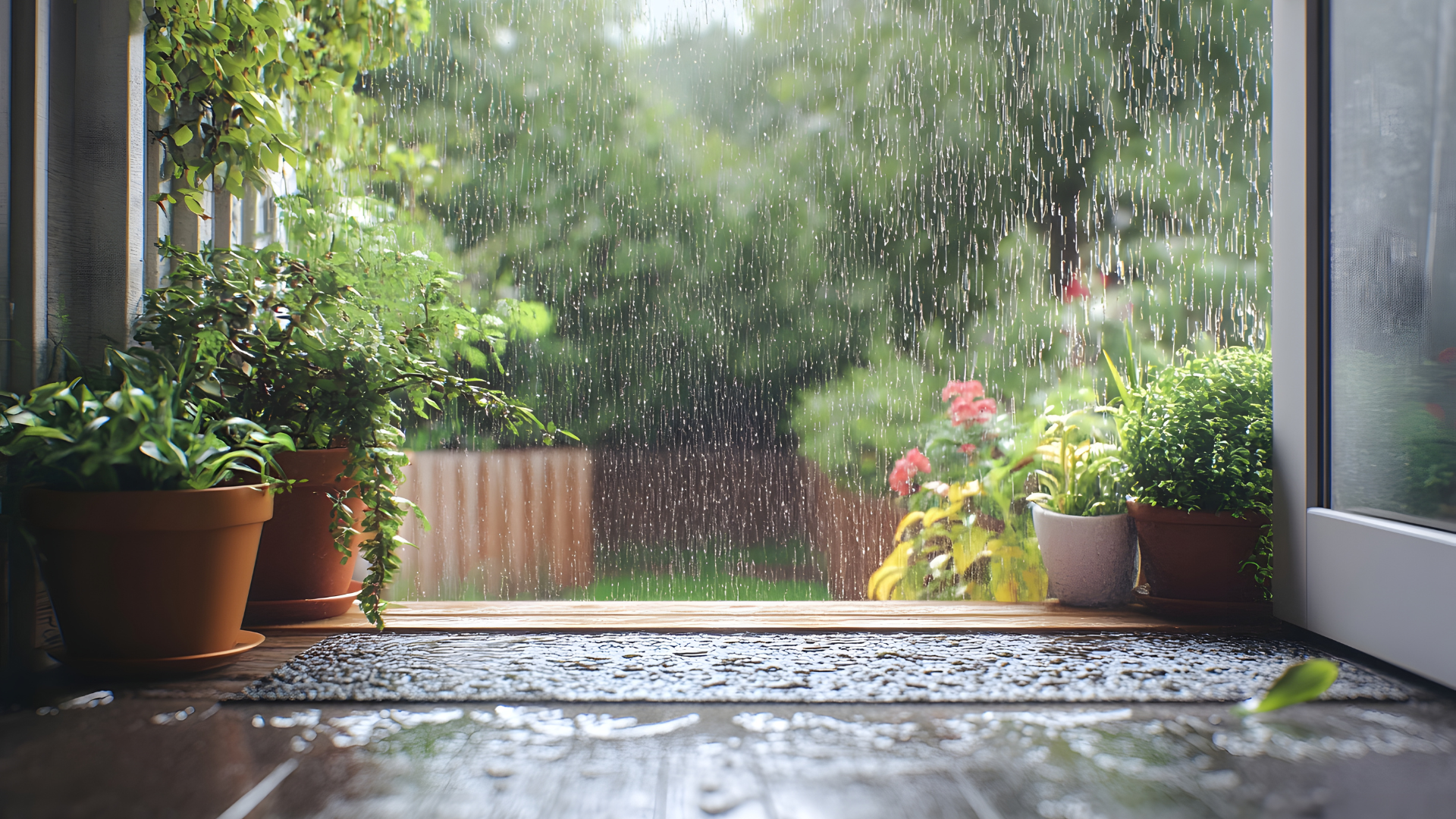
As I write this, the rain is coming down in sheets. If you live anywhere in the Portland metro area right now, you’re not only hearing the rain coming down in buckets, you are watching your yard try to cope with it. And for many homeowners, that view isn’t pretty. It’s standing water. It’s mud tracked into the hallway by your kids. It’s a soggy, unusable mess.
But here is a different perspective.
The heavy rain doesn’t have to be the enemy of your landscape. In fact, with the right design, managing the water can actually make your property more beautiful. Instead of fighting the water or burying it in invisible plastic pipes, you can channel it into something architectural and elegant.
If you are tired of looking at a swamp every time an atmospheric river hits Oregon, it is time to look at water differently.
Let’s break down how.
Turn Drainage into a Focal Point
Most drainage solutions are purely functional. You bury a pipe, cover it with dirt, and hope it works. A dry creek bed takes the opposite approach. It is designed to be seen.
By using varied sizes of river rock, basalt, and boulders, we create a channel that mimics a natural mountain stream. When it’s dry in August, it adds texture, structure, and a rugged Pacific Northwest aesthetic to your yard. When it pours in December, it comes alive. It captures the runoff and intentionally directs it through your property.
It stops being a "drainage ditch" and becomes a water feature that nature powers for you.
Plants That Thrive in the Soak
A luxury rain garden is not just a hole in the ground filled with water. It is a highly engineered, planted depression designed to absorb runoff from your roof or driveway.
The secret is the soil and the selection. We use plants that thrive in "wet feet"—species like Red Twig Dogwood, sedges, and specific rushes —those that can withstand the heavy clay soil's winter conditions but also tolerate the dry heat of summer.
Instead of fighting against the climate, a rain garden works with it. It filters the water, reduces the burden on the city's storm drains, and gives you a lush, layered planting bed that looks intentional, not accidental.

Protecting Your Home Investment
Beyond aesthetics, this is about protection. When water pools against your foundation or sits on your patio, it causes damage. It degrades concrete, threatens basements, and ruins lawns.
Designing a proper water management system—whether through decorative rock beds or strategic grading—moves that water away from your structures. It is an insurance policy for your home that also happens to resemble a high-end landscape feature.
Action Steps for Homeowners
You don't have to wait for the sun to come out to start planning. Actually, right now is the best time to look.
Put on your boots and walk the yard. It sounds miserable, but watching where the water flows during a storm is the best data you can get.
Take photos of the pooling. Show us exactly where the water stands and where the mud is worst.
Identify the source. Is it a downspout dumping too close to the house? Is it runoff from a neighbor’s slope?
Reach out to a design-build team. We can utilize those photos and the "rainy day data" to create a comprehensive drainage plan.
Ready to Tame the Rain?
Winter in Oregon is wet. There is no changing that. But you can change how your property handles it. You can turn a muddy burden into a beautiful, functional part of your landscape design.
If you’d like to discuss dry creek beds, rain gardens, or solving drainage issues once and for all, please reach out for a consultation. We will help you design a yard that looks as good in the rain as it does in the sun.