
Why Landscape Design Should Start Before You Break Ground on a New Home
Building a new home is one of the largest investments most people will ever make. Every detail gets considered — the floor plan, the finishes, the fixtures. Months go into getting the interior right.
And then, somewhere near the end of construction, the conversation turns to the yard.
It's one of the most common and costly mistakes in new home construction. Landscape design is often treated as an afterthought rather than part of the plan. By the time a landscape designer walks the property, decisions have already been made that are difficult or expensive to undo.
It doesn't have to go that way.
The Yard Is Being Designed Whether You Plan It or Not
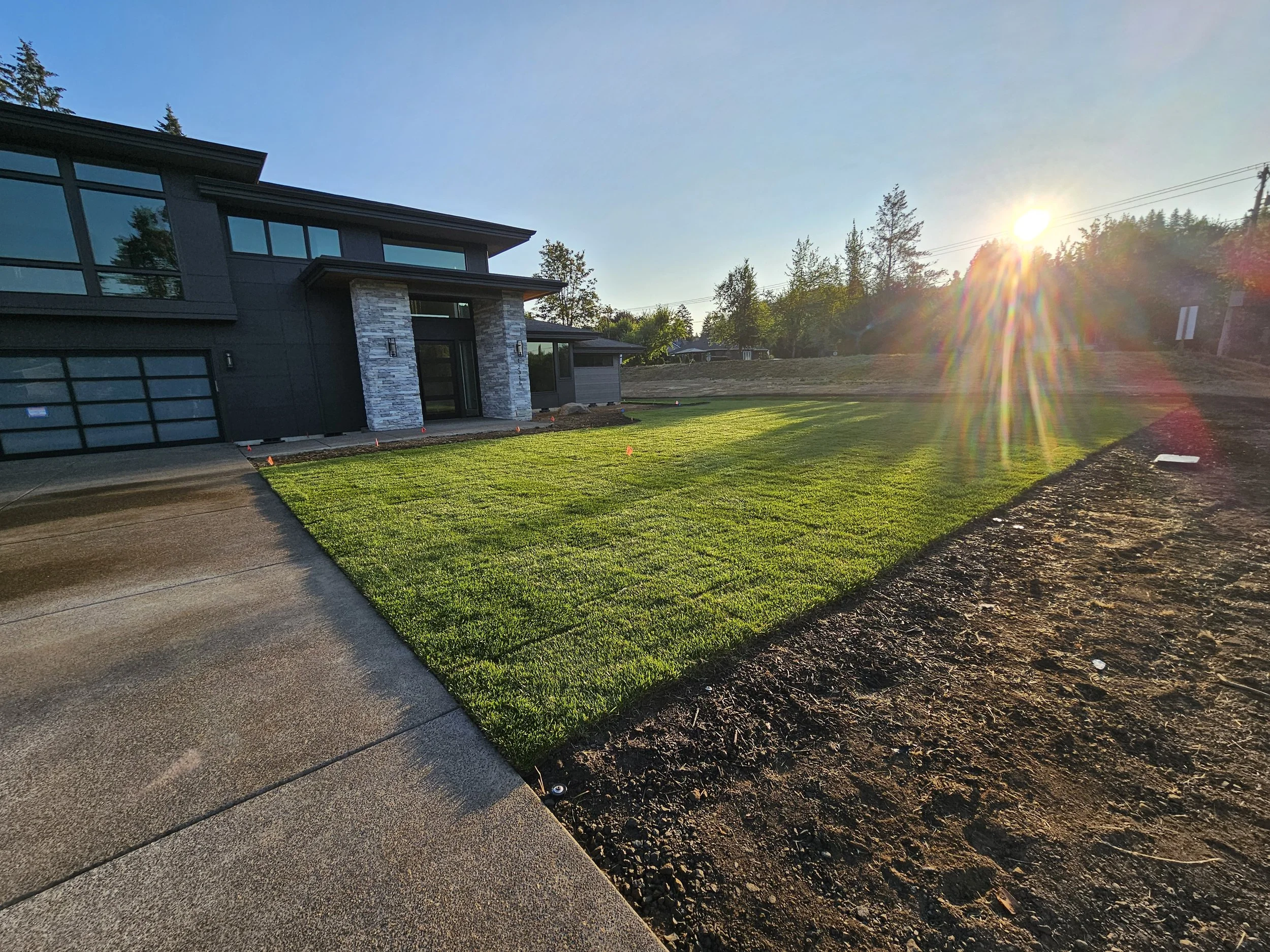
Here's what most homeowners don't realize: your landscape is being shaped from the moment construction begins. Where the builder grades the lot, how water drains away from the foundation, where utility lines are buried, and where concrete is poured for the driveway — all of it affects what's possible once the house is finished.
When those decisions are made without a landscape plan in place, the results are often suboptimal. A patio that ends up in an awkward location. A slope that drains toward the house instead of away from it. A side yard that's too narrow for anything useful because no one thought about it until the foundation was set.
These can be expensive problems that follow you for years.
What Early Involvement Actually Looks Like
Bringing a landscape designer into the process before construction begins doesn't mean you need every plant and paver selected on day one. It means having a master plan in place that informs the decisions being made around you.
That plan answers critical questions early:
Where will the primary outdoor living area be, and how does it connect to the interior?
What grade does the yard need to be at when the builder finishes?
Where should irrigation sleeves and electrical conduit be stubbed out during construction?
How will drainage be managed across the entire property?
Are there features — a retaining wall, a fire pit area, a future pool — that need to be accounted for in the grading or foundation work?
When a landscape designer can answer these questions before a shovel goes in the ground, the project runs smoothly, the budget stretches further, and the finished result feels cohesive rather than pieced together.
The Cost of Waiting
Retrofitting is always more expensive than planning. This is true in construction generally, and it's especially true in landscaping.
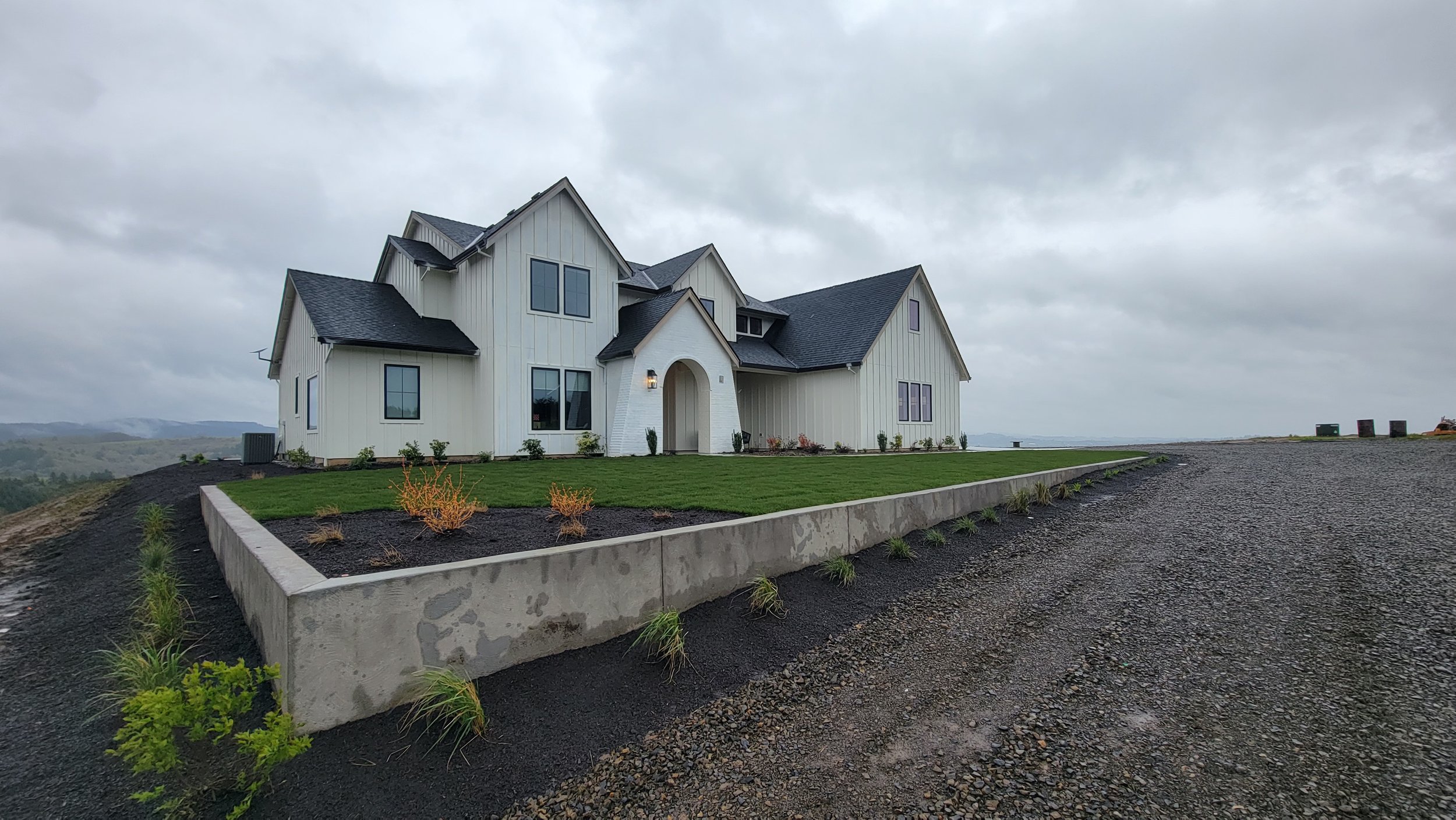
When a patio needs to be added after the builder has finished grading, it often means cutting into compacted soil, rerouting drainage, or working around utility lines that are already in the wrong place. What would have been straightforward during construction becomes a significant excavation project.
Outdoor lighting and irrigation are similar. Running conduit and sleeve lines during construction costs a fraction of what trenching an established yard costs. Electrical and irrigation infrastructure is cheap to plan for early and expensive to add later.
None of this is meant to alarm you. It's simply the reality of how construction works. The earlier decisions are made, the more options you have and the less they cost.
Your Yard Should Feel Like Part of the Home, Not an Addition to It
There's a quality that separates a yard that feels designed from one that doesn't. It's cohesion — the sense that the outdoor space belongs to the home, that the materials relate to the architecture, that the flow from inside to outside feels natural.
That quality is very difficult to achieve when the landscape is designed in isolation, after the fact. It requires understanding how the home sits on the lot, how natural light moves across the property throughout the day, and how people will move from room to room and eventually outside.
Designers who are involved early can ask those questions while there's still time to act on the answers. They can work with your builder to ensure the landscape doesn't just surround the home—it extends it.
How to Get Started
If you're in the planning or early construction phase of a new home, the right time to bring in a landscape designer is now — before framing is complete, if possible, and certainly before the builder finalizes grading.
At Summit Landscape, we work with new-construction clients throughout the Portland metro area to develop landscape plans that integrate with the build from the start. We coordinate with builders, identify infrastructure needs, and create a clear vision for the finished property before construction decisions close off your options.
A thoughtful outdoor space doesn't happen by accident. It starts with a plan, and that plan starts earlier than most people think.
If you're building a new home and haven't yet thought about the landscape, now is the right time.
Request a design consultation with Summit Landscape, and let's build something worth coming home to.